Apr 13, 2026 · Dakota Gardner
Let’s Talk About the Artemis II Vibe Shift
A flawless mission, indelible images, and a remarkable crew sure feel like they’ve completely transformed America’s relationship to its space program. Can you feel it too?
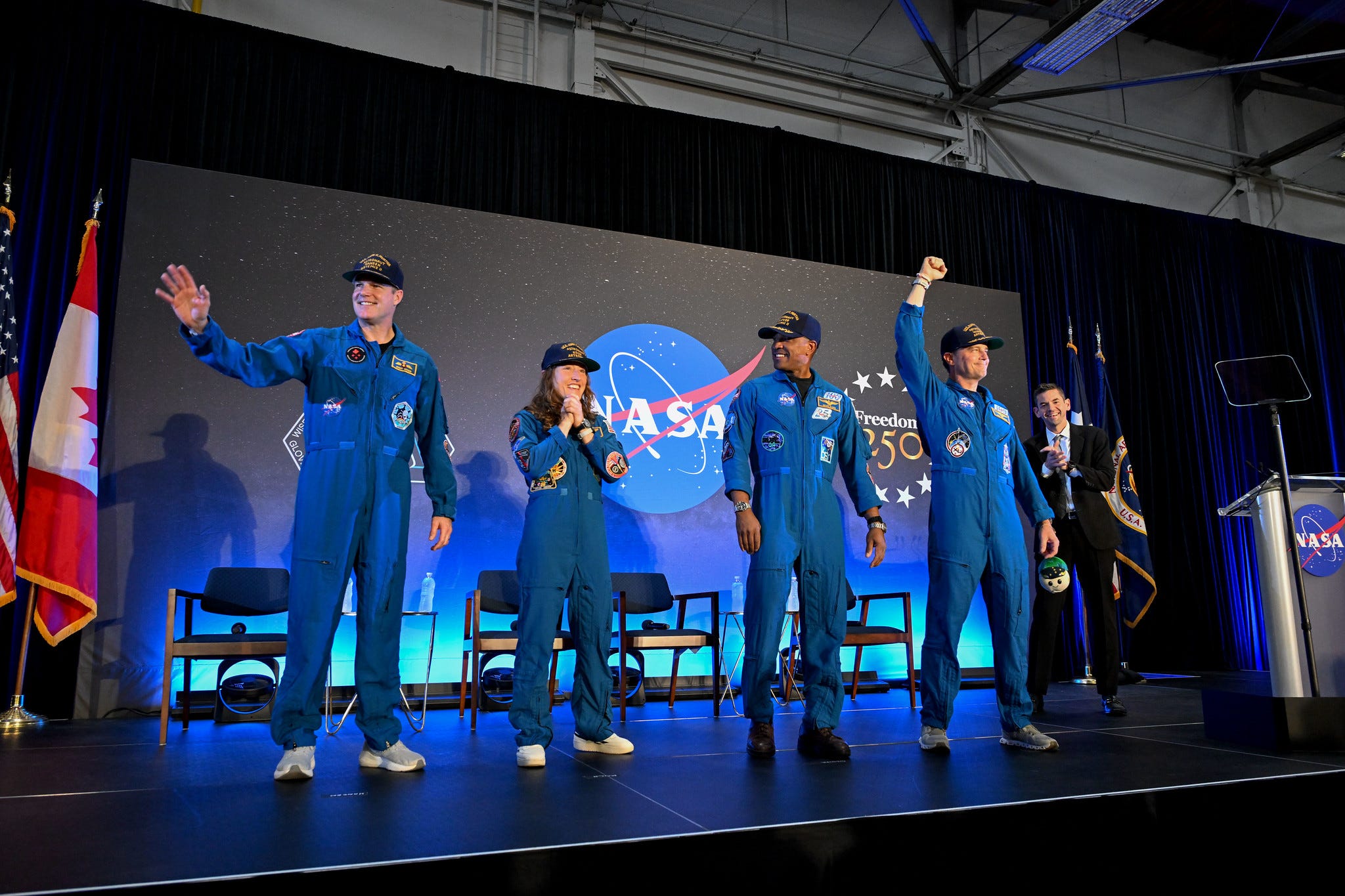
On March 31, 2026, I think it’s fair to say that most people in and around the world of space enthusiasts felt pretty ambivalent about the Space Launch System, Orion, and the Artemis architecture.
But I am and always will be a space optimist, and the notion of sending human beings around the moon certainly wasn’t something I was intending to scoff at — even if I wasn’t particularly positive about its long-term implications. Admittedly, I was a bit scarred from my own attempt to view the Artemis I launch in person back in 2022. (You haven’t lived until you posted up on a rocky jetty on the east coast of Florida at 4AM with a few hundred of your best friends, only to see nothing more than a lovely sunrise.)
SLS is a flawed rocket, built not out of an engineer’s desire to push the envelope of astronomical design, but rather out of a congressman’s desire to protect pork flowing to his district. The Artemis architecture was born out of the deficiencies of this rocket.
This has been the fight at the heart of space discourse for the better part of a decade: Is SLS a waste of time and money? Is Starship the real future?
I think most people were a bit tired of it even if they didn’t realize it. The reality is that humanity’s future in space requires both NASA and SpaceX, pushing each other and working together. Administrator Jared Isaacman more or less planted a flag on this position during his Ignition event in March: streamlining the Artemis architecture and daring everyone involved to put up or shut up: NASA, the prime contractors, the commercial partners like SpaceX and Blue Origin and Axiom. Everyone.
NASA’s job, in Isaacman’s apparent estimation, is to push its commercial partners to deliver. That’s the true function of SLS, for NASA: Forcing everyone to get in the habit of flying to space. Allegedly.
So there we all were, lying our heads on our pillows on March 31, 2026, expecting another SLS delay, another SpaceX anomaly, and more time and energy spent talking about the moon rather than traveling to it.
But then, the next day, all of that stopped mattering.
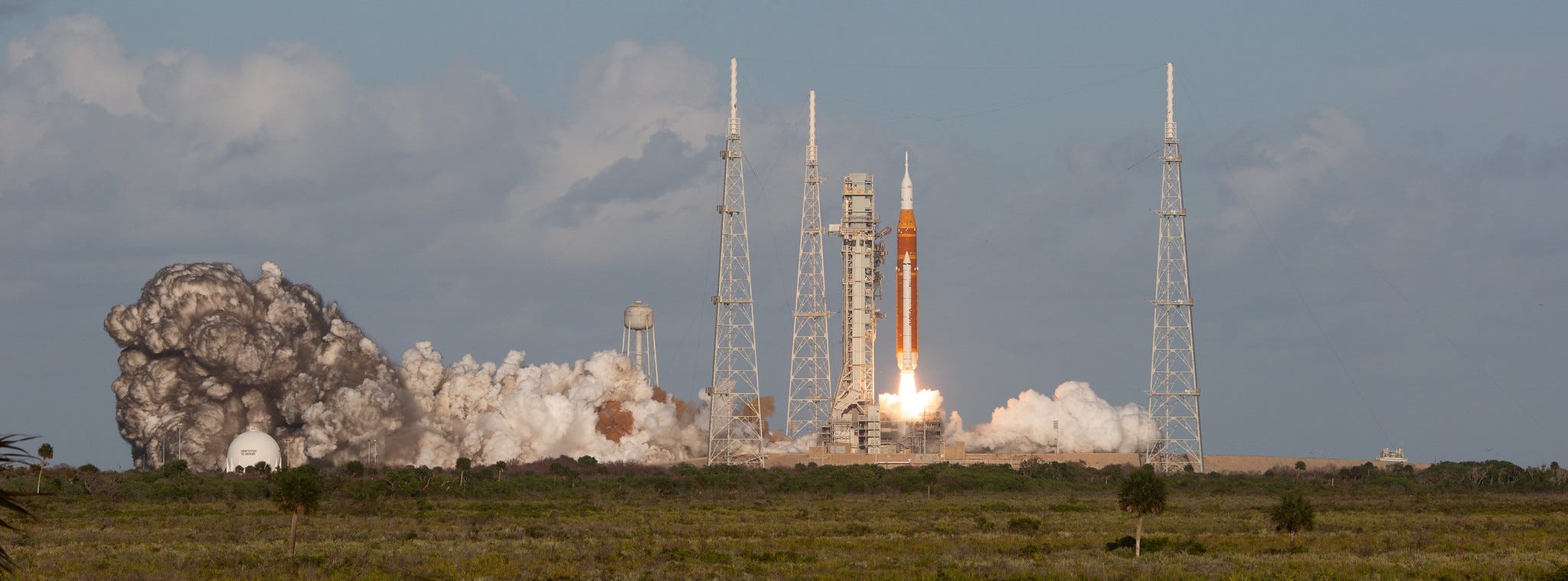
It’s exceedingly rare to — in real time — realize the prologue has come to an end. It’s even more rare to be able to pinpoint the exact moment it happened: The final go/no-go poll ten minutes before T-zero on April 1, 2026.
Go back and watch it. You could feel everyone in the firing room in Florida, and every space nerd tuning in around the world, realizing it together. After decades of false starts and hydrogen leaks and program delays, we were really moments away from sending humans back to the moon for the first time in half a century.
This was really, finally, happening.
You know the rest: SLS lifted off without issue. Orion and the ESA service module performed perfectly. The crew welcomed the world inside their tiny home away from home, sharing their unique blend of personalities and showing everyone the best side of humanity. They came home safely, bringing with them memes about Microsoft Outlook, unbelievable imagery from the farthest reaches of the humanosphere, and the infectious concept of Moon Joy.
It’s true that we don’t yet know when the next Artemis mission will launch, and it’s also true that NASA’s recent history doesn’t seem to make a launch next year seem promising. Moreover, even if SLS and Orion are ready, there’s the not-insignificant matter of one of the two lunar landers needing to be ready too.
But I no longer care about any of that. And I’d be willing to bet that even the strongest partisans on both sides of the Civil Space War are losing their will to fight a bit. Seeing the Artemis II crew embracing after naming a crater after CDR Reid Wiseman’s late wife — was there a better encapsulation for what this all is really about than that?
The very next day following splashdown, SpaceX rolled out its first Version 3 Starship and Superheavy vehicles for pre-launch testing. And, we’ve been told, Blue Origin’s Mark I lander is undergoing key tests in Florida to prepare for its launch.
We are going back to the moon.
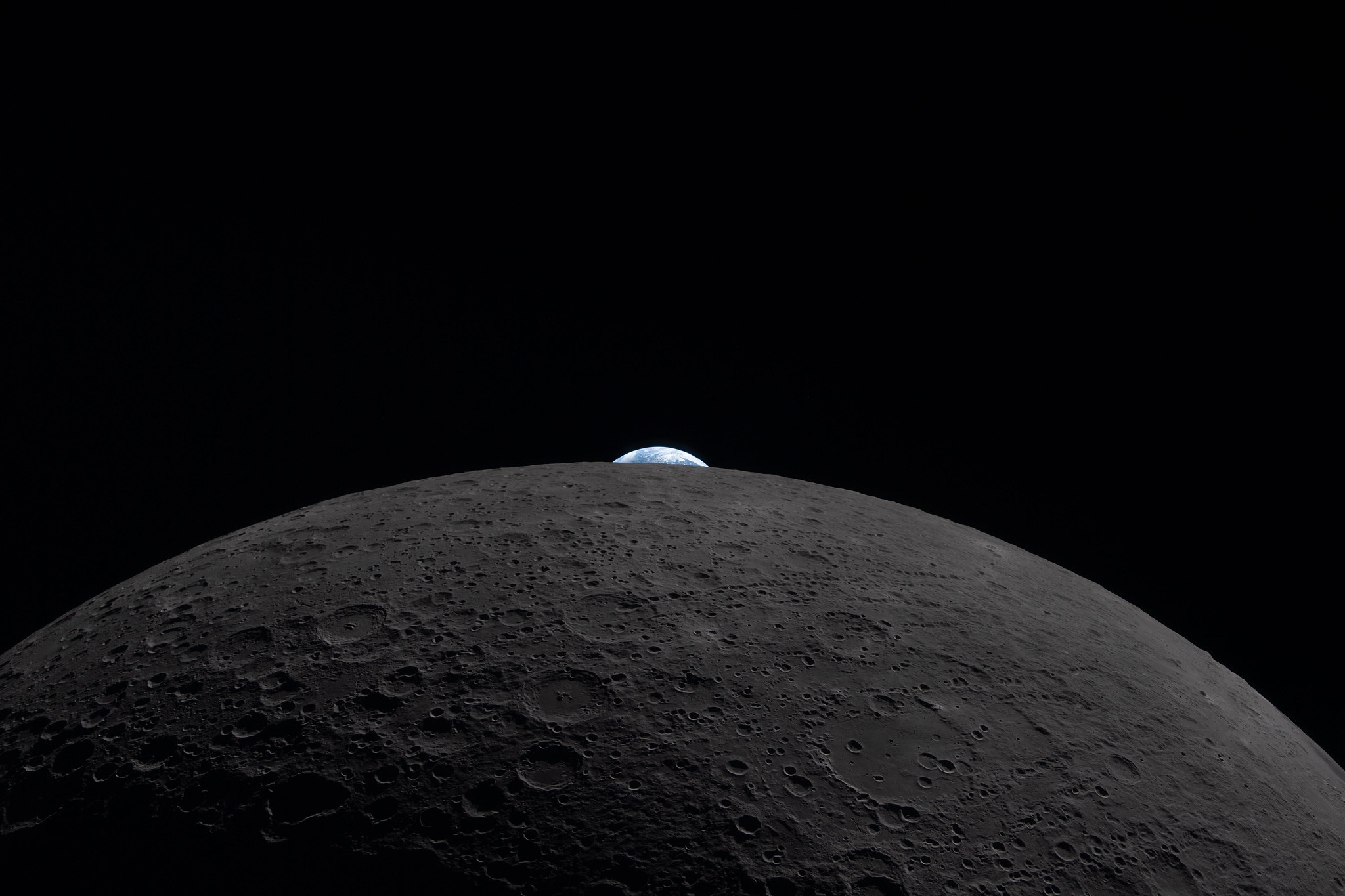
For a long time, that was just a NASA slogan, said out of political obligation and sneered at by the Space Knowers in the pundit sphere. I’ll admit that I was among them.
In the afterglow of Artemis II, it doesn’t feel like an empty slogan anymore. But that’s not the Artemis II vibe shift. That’s not the thing that has me buzzing in a way I haven’t since I was a little kid. Consider this: We are going back to the moon, yes. But for the first time in a very, very long time — perhaps ever — that doesn’t feel like the end of the road. It feels like the end of the first act.
What follows? We’ll find out soon. But I’m looking forward to arguing about that instead of the physics of liquid hydrogen fueling.
Originally published on Substack ↗ · Subscribe to J Mission