Apr 8, 2026 · Dakota Gardner
Welcome to J Mission
Hi, I’m Dakota: Writer, editor, and most importantly, spaceflight nerd. If you’re reading this, you’re probably one too — and if not, I hope we can get you there soon enough.
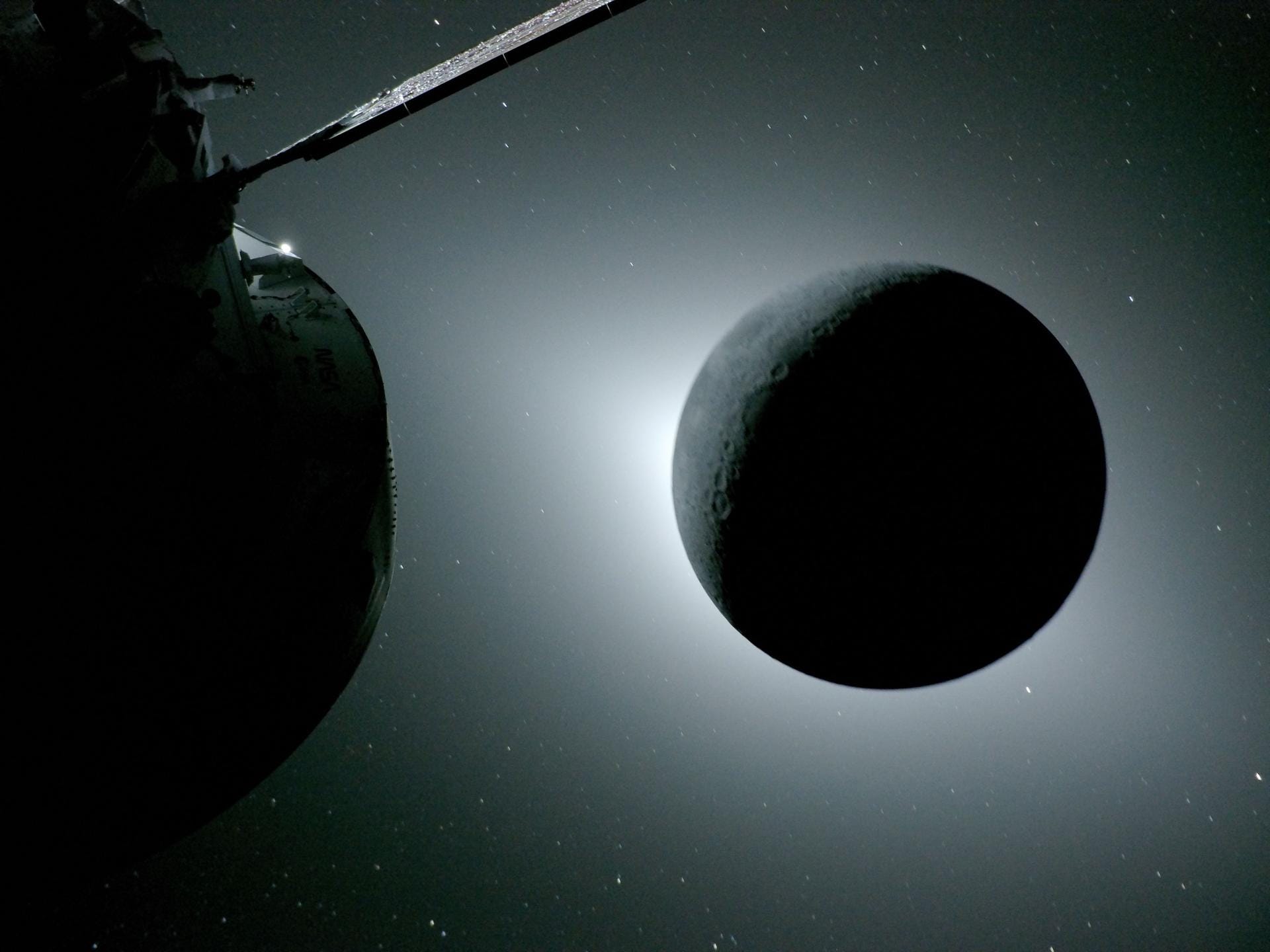
As I write this, four courageous NASA astronauts are coasting back from the Moon and toward our Earth. If you haven’t been following their work, what are you doing? Go check it out. It’s amazing.
In one sense, their flight was the culmination of decades of fits and starts, billions of dollars spent, miles of red tape, ever-changing program objectives, and political handwringing.
In another, far more important sense, their journey is — to my mind — turning the page on one chapter of human spaceflight and beginning another.
They went to the damn moon.
In future blog posts, we’ll dig more deeply into the questions surrounding the Space Launch System architecture, the roles of civil and commercial space in exploration, and the financial boondoggle of the last 20 years. To be clear, this is not an SLS apologist Substack.
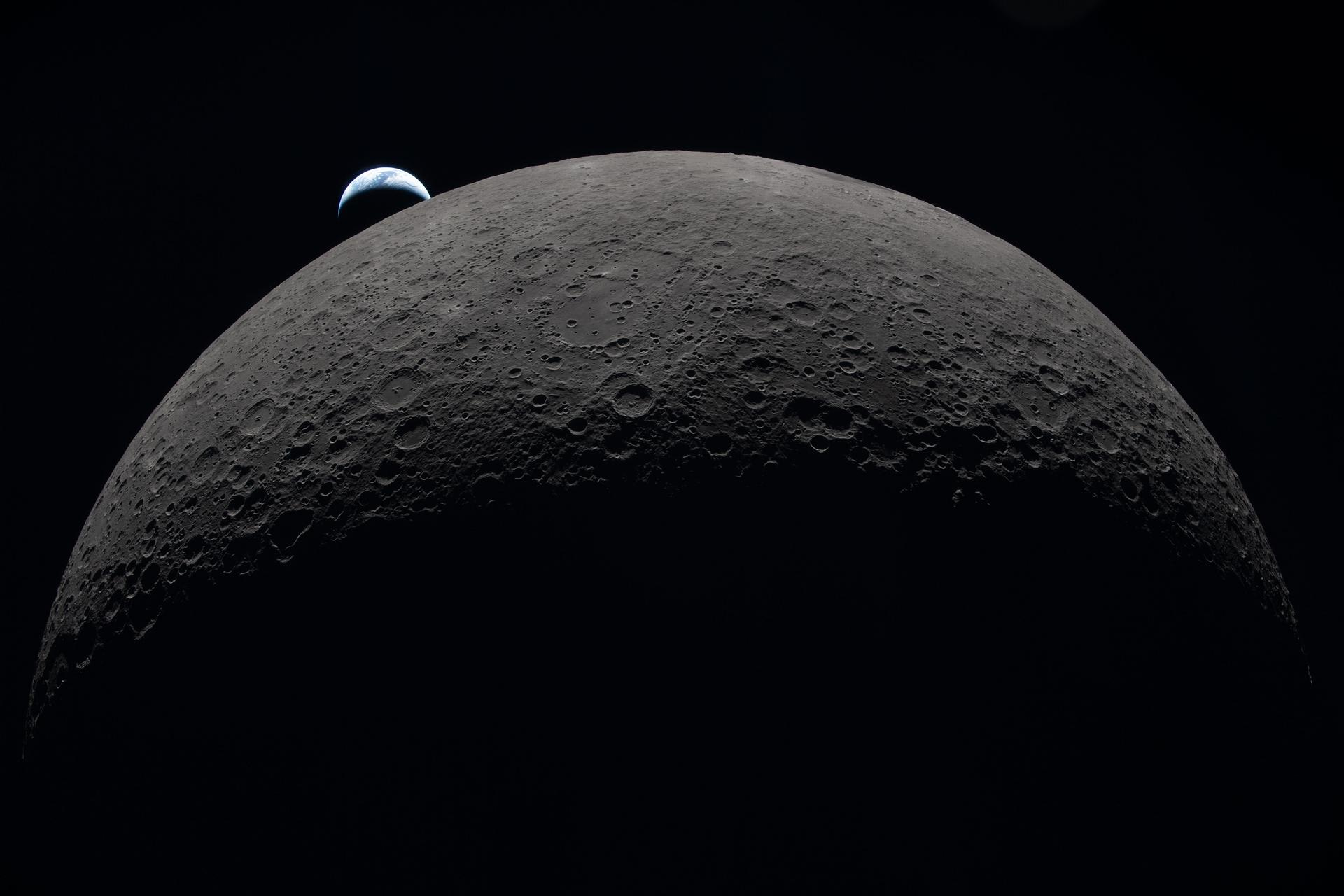
But in some ways, after seeing the incredible photos the crew of Artemis II have sent to Earth, and hearing their voices as they were overcome by the scale of our universe, the old discourse surrounding SLS and Artemis seemed to hit its sell by date. It doesn’t really matter anymore.
J Mission is about this new chapter.
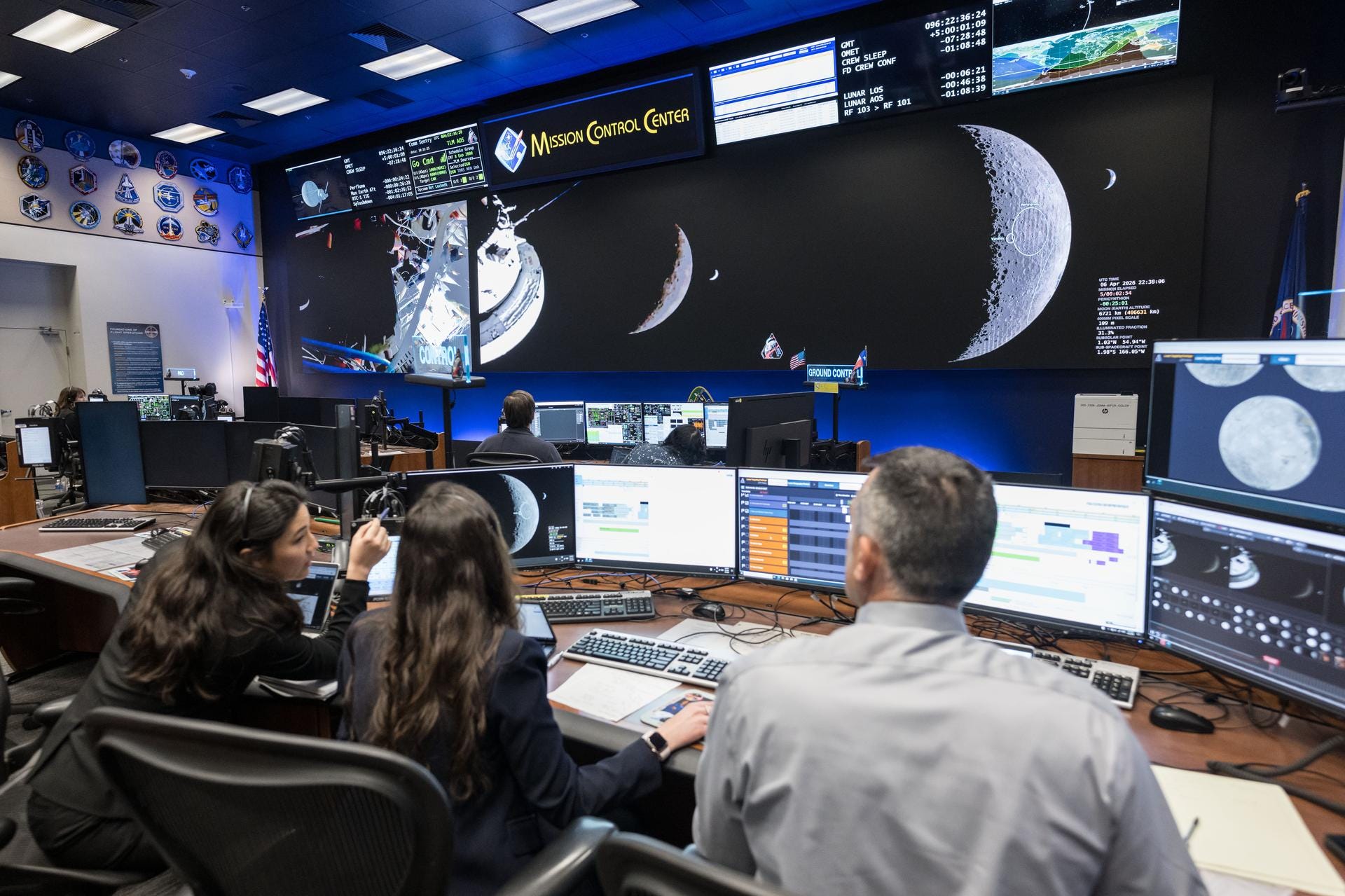
Will SLS actually be able to fly once a year? Will Starship deliver another order-of-magnitude reduction in launch cost? Will commercial space stations really take off? Will the ISS really be deorbited?
What other countries might enter the new space economy? What other companies might discover new services to offer in space?
For the last 5-10 years, these questions have all been theoretical — two years away from being two years away. But right now, theory is giving way to reality. The decisions these companies and agencies make over the next year or two will determine the trajectory for the next 20.
We’ll be tracking it all here. This is my space to share thoughts, theories, and classic blogger hot takes on the state of spaceflight and our journey to a cislunar economy. I’m not smart enough to work at NASA or dumb enough to work at [company name redacted] — so this newsletter really was the only option left.
Welcome to the new era of spaceflight. I can’t wait to follow it with all of you.
Originally published on Substack ↗ · Subscribe to J Mission