Apr 21, 2026 · Dakota Gardner
Welcome to the J Mission Power Rankings
The first edition of our recurring column in which we arbitrarily rank the big spaceflight players. Disagree? Angry? That’s the point, I’m sorry to say.
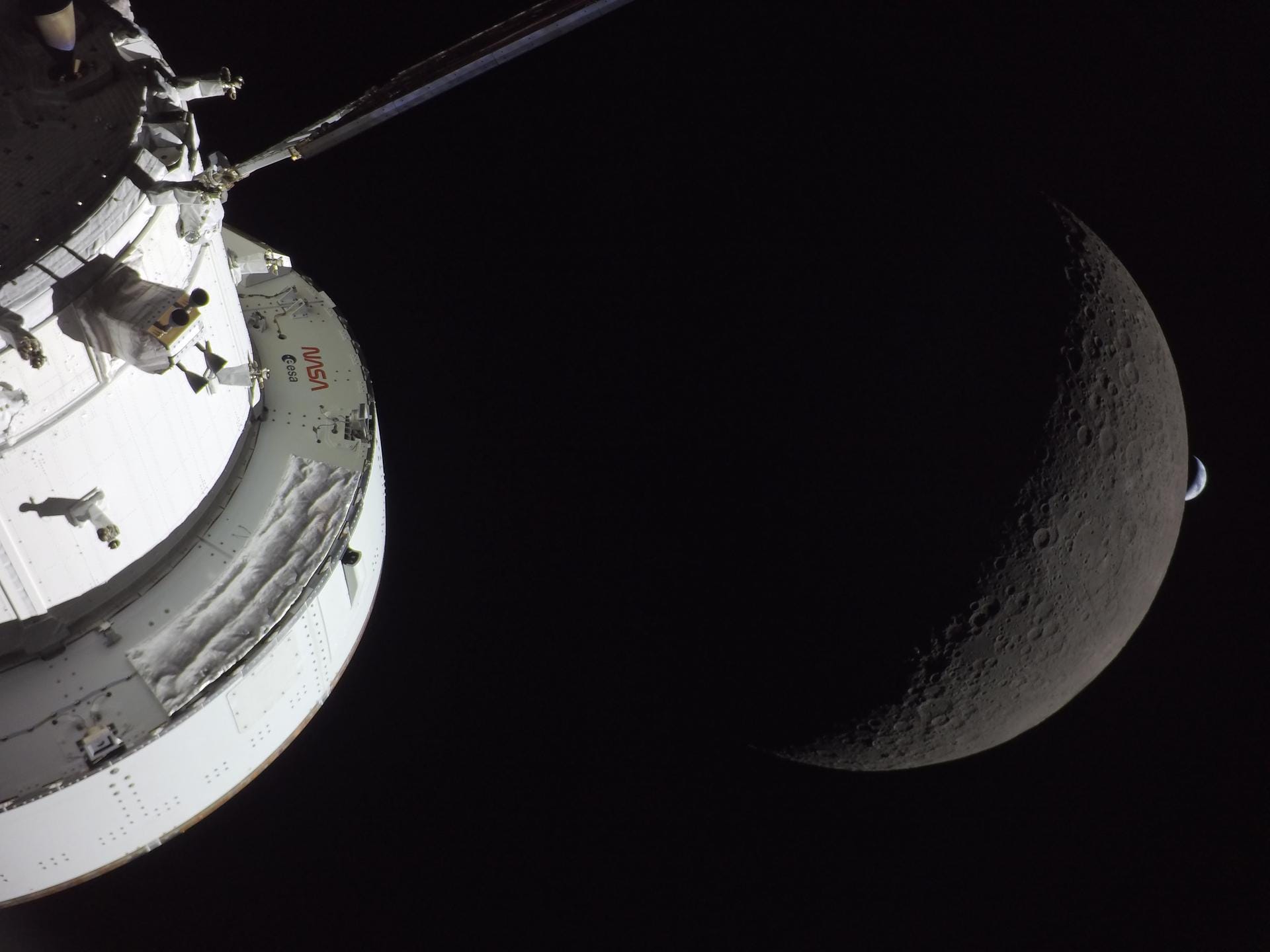
The idea of doing power rankings for space companies would have been ridiculous and boring as recently as 10 years ago. There simply wasn’t enough happening in the sector to really make it interesting, let alone to track the rise and fall of industry power players on a timescale anything less than geologic.
But we’re not living in that world anymore, now are we?
The last two weeks have been deeply consequential for the space industry, with launches, test campaigns, and splashdowns giving us all a look at just how much is going on in this once-sleepy area of technological development.
I’m a sports fan, and I came of age reading pundits with more column inches than sense issuing hot takes about the week’s action — reacting much more strongly than was warranted, mostly just for fun. And you know what? Why not bring that energy to the battle for space singularity?
First, a few ground rules:
Results matter.
Did you have a major launch? Was it successful? Where did it go? What was the payload? If your mission was an unmitigated success, that matters. If you had a testing anomaly, that matters too.
But statistics mostly don’t matter.
If we were doing this off any objective metrics, it would be a pretty boring power rankings. The overall launch cadence, mass to orbit, reflights, etc. — that stuff does matter, but only to a point. If a company announced tomorrow it developed an extremely efficient rocket engine powered only by liquid water, that would be a big freaking deal even if it hasn’t flown even once. We’re gonna be a bit swingy with these rankings; that’s OK.
What have you done for me lately?
If you flew once, three years ago, and it was a great success: Good for you. But you’re probably not going to stay on or near the top of these rankings for very long. This is the flip side of rule No. 2: While overall launch count doesn’t really matter, it does help keep you top of mind. Yes, we’re talking around one specific company here — we’ll get there.
Good strategy helps; confusing strategy hurts.
Let’s say you’re a satellite constellation operator. Maybe an imaging constellation or something like that. You have a good core business; you’re making money. Then, you decide to pivot to space suits for some reason. Is that a good idea? Maybe, but in this hypothetical context, probably not. So in that sense, sure, you might be growing and have taken in new funding — but it’s not really for a great purpose. Probably won’t help here.
Vibes win out.
I reserve the right to make irrational and confusing decisions based almost entirely on vibes alone. They’re my power rankings. Don’t like it? Make your own.
Alright, let’s get into it:
Honorable Mentions:
Axiom, Firefly, Intuitive Machines, ISRO
5. Blue Origin
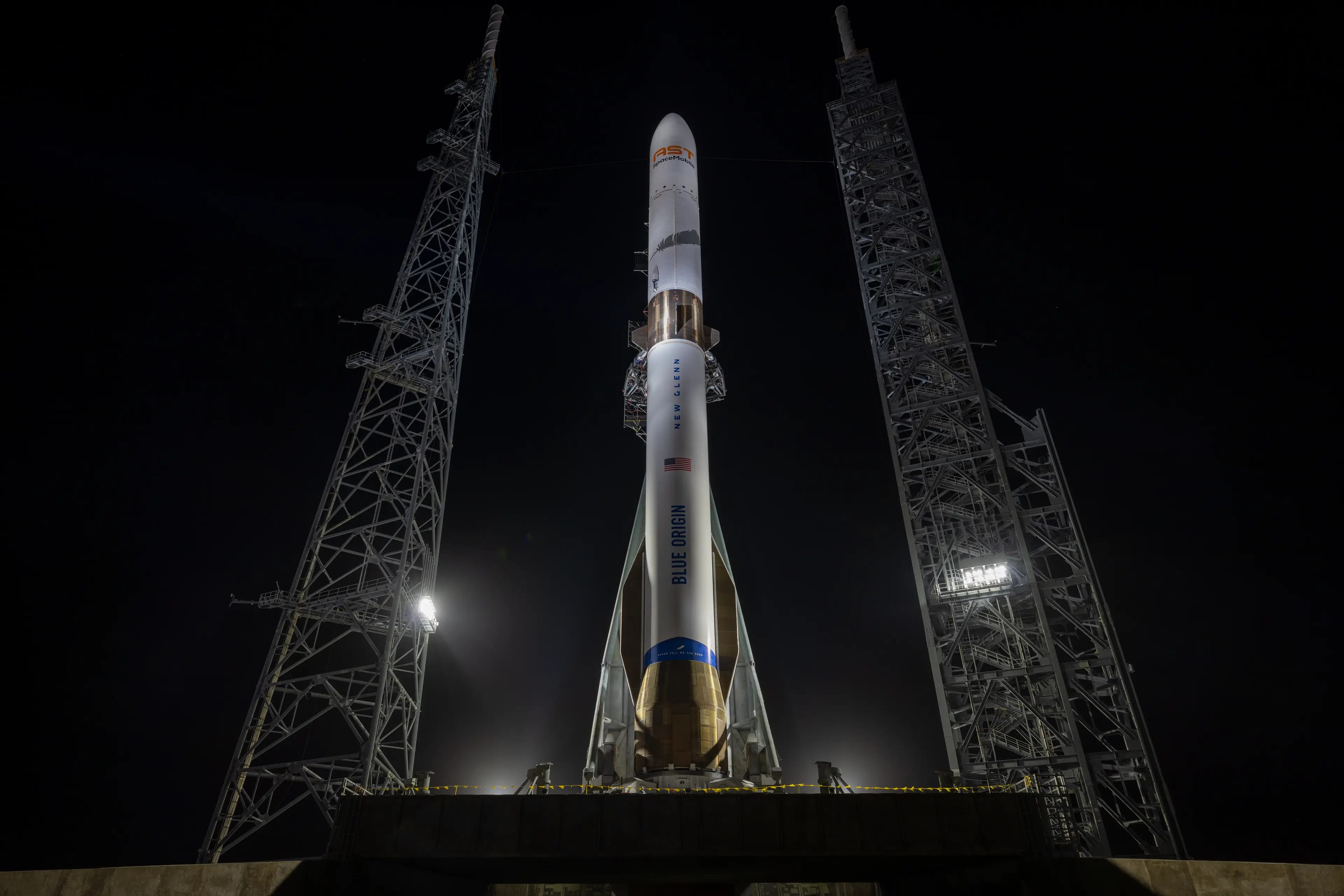
When I began this project, I expected to have Blue Origin much higher on this list. Reflying New Glenn is a massive deal, and Blue Origin being in the heavy-lift launch game would be, if not game changing, a pretty massive pressure point on SpaceX. Add to that the small but increasing perception that only Blue Origin would be ready for the Artemis III timeline, and you start to see the ultimate tortoise and the hare situation coming into play.
That all came to an abrupt halt on Sunday.
Although the reflown booster performed well — and landed on the recovery vessel — the second stage failed to deploy its AST SpaceMobile satellite cargo into the appropriate orbit. This led to the satellite being declared a loss and the FAA grounding the rocket. What should have been a banner day for Blue Origin turned into something more like a dirge.
Is it the end of the world? No. But it’s a setback, and let’s just say the vibes are off.
4. Rocket Lab
At the other end of the vibes spectrum is Rocket Lab, who continue to roll along — launching Electron five times so far in 2026.
Of course, Rocket Lab is, despite its name, not really a rocket company anymore. And April saw the company announce its own electric propulsion thruster designed to help grow its constellation-as-a-service product offerings.
The reality is that in a world without SpaceX, Rocket Lab would command a lot more of the tech nerd consciousness. But that’s not the world we live in, and so I take the company’s steady journey down the path of space industry maturity to be a sign of strength.
3. CNSA
Is this a hot take? Maybe, I don’t know. Probably not as much of a hot take as the next two entries on the list, but hot enough for me to feel a bit defensive about it.
The truth is, I don’t entirely understand the Chinese space program. It feels like there are 17 different kinds of Long March rockets doing 37 different kinds of missions. I recognize it’s a personal failing that I haven’t taken the time to really dig into the differences between each, but the naming convention doesn’t help.
Yes, the US has plenty of different rockets doing all sorts of different things, but at least they have different names. Imagine if we just still called everything the Saturn [Insert Number]. It would be confusing.
But the reality is that CNSA has an operating space station; they’re launching nearly as often as SpaceX; and they even are coming close to having a reusable Falcon 9 ripoff.
And this time, they actually meant to launch it.
2. SpaceX
Now, yes, I know this one is a hot take. But this is where the “What have you done for me lately?” rule comes into play. Yes, they’re firing off Falcon 9s on the regular, replenishing and building their Starlink constellation into something that would have seemed like science fiction not all that long ago. Yes, they’re still making landings look easy — reflying boosters dozens of times. Yes, we still would not have any way to get to the ISS from domestic soil without them.
But you and I both know none of that really matters when it comes to the vibes.
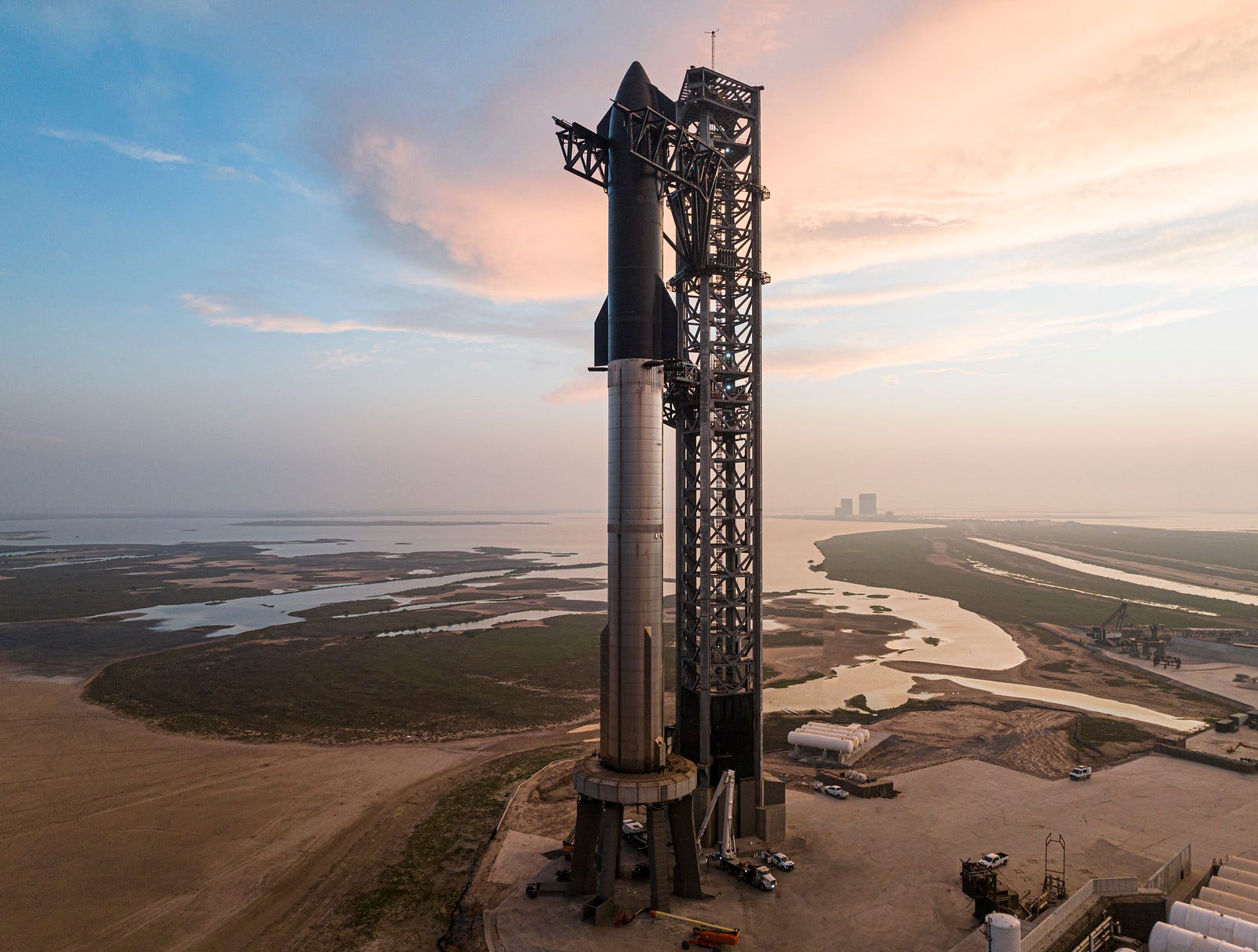
The last time Starship flew was October of 2025. In the time since then, Blue Origin launched New Glenn, landed it for the first time, refurbished it, relaunched it, and then re-landed it. Yes, Starship is a different beast, but still — that’s kind of wild.
A lot is riding on the success of V3 Starship. SpaceX has redone its entire ground systems operation at Starbase, and they’ve more or less designed the Florida version to match it. They have a backup of flight hardware on the assembly line, and any massive errors uncovered during Flight 12 will mean more delays — assuming the ground systems survive unscathed too.
SpaceX could cancel Starship tomorrow and still be an insanely profitable business. In that sense, having them No. 2 on this list is kind of silly. Moreover, we’ve seen them progressing with their static fire campaign and seem to be likely to launch shortly. That’s great!
But the fact remains that in terms of what we all want out of space, Starship is the next step. It has to be successful. They have a lot they need to get done this year, and Flight 12 is standing in the way of that. If it’s a success, we’ll reassess. Until then, they’re No. 2.
NASA
Look, let’s all celebrate this moment while it’s here.
NASA sent a crew of amazing astronauts around the moon and returned them safely to Earth — along with several gigs of incredible photos and videos. Bravo!
For most of the last several years, NASA’s spaceflight success was very heavily tied into the success of SpaceX. This was the first time in a long time that the world really got to see what NASA does — that no one else can do — in high definition and full living color.
Artemis II was a vibe shift; I stand by that. Even as the memory of that mission begins to fade into the background, the promise it presented has not. On top of that, NASA has a clear direction for the Artemis program and the roadblocks have mostly been removed. A flight next year is ambitious, but not absurd.
Yes, there are questions — most notably regarding the budget. Those will be resolved in time. But for now, NASA is getting its flowers, and it deserves them.
So, there you have it: In the inaugural J Mission Power Rankings, we gave an OG the top spot. I mean, they sent humans further from the Earth than anyone has ever gone before. Who else could we have given it to?
Higher, further, faster, baby.

Originally published on Substack ↗ · Subscribe to J Mission